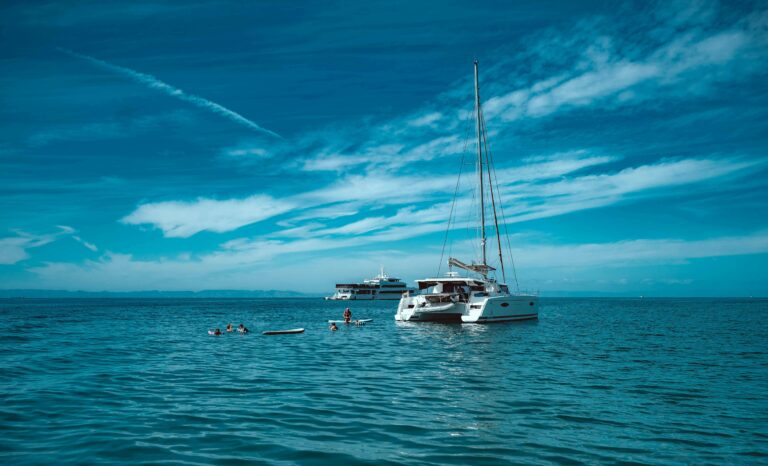
10 Things First-Time Charterers Wish They Knew Before Booking
Booking your first crewed catamaran charter is one of the most exciting things you’ll ever do. It’s also a little unfamiliar — a different kind of vacation with its own rhythms, terminology, and logistics. We’ve talked to countless first-time charterers, and the same insights come up again and again. Here’s what they wish someone had told them before they booked.
1. Book Earlier Than You Think You Need To
The best boats in the most popular destinations get snapped up fast — especially for peak travel weeks like Christmas, New Year’s, and school holiday periods. If you’re dreaming of a winter trip to the BVI or a summer charter in Greece, start planning 9 to 12 months out. Even for off-peak travel, 6 months is a safe lead time. Waiting until 8 weeks before departure is a recipe for disappointment.
2. The Base Rate Isn’t the Full Price
The charter rate covers the boat and your crew. On top of that, budget for crew gratuity (typically 15–20% of the base rate), taxes and local fees, and your flights and transfers. When you add it all up, the total is higher than the headline number — but once you see what a crewed charter actually includes, it’s remarkable value compared to any other luxury vacation experience.
3. You Don’t Need to Know How to Sail
This surprises a lot of first-timers. On a crewed charter, your professional captain handles all the sailing and navigation. You’re a guest — your job is to relax, explore, and enjoy. Many guests use the week to pick up a few sailing basics from their captain if they’re curious, but there’s absolutely no obligation. Zero experience required.
4. The Food Will Genuinely Surprise You
Charter chefs are talented professionals — many come from restaurant backgrounds. First-timers are almost universally blown away by the quality of meals onboard. Fresh ingredients sourced at each destination, three meals a day prepared for your group, and a chef who adapts to your tastes and dietary needs. You’ll eat better on the boat than at most shoreside restaurants.
5. Pack Light — Seriously
Catamaran cabins have limited storage, and hard-sided luggage simply won’t fit. Bring a soft duffel bag or backpack — 30 to 40 liters per person is plenty. You’ll spend most of the week in a swimsuit anyway. Leave the extra outfits, the bulky shoes, and anything you’d be upset about losing to salt water at home.
6. Your Crew Values Your Preferences — Tell Them
Before your trip, you’ll typically fill out a preference sheet covering food likes and dislikes, dietary restrictions, activities you’re interested in, and how you like to spend your time. Take this seriously — it’s how your captain and chef personalize the week for your group. The more detail you give, the better your experience will be.
7. Catamarans Are Far More Stable Than You Expect
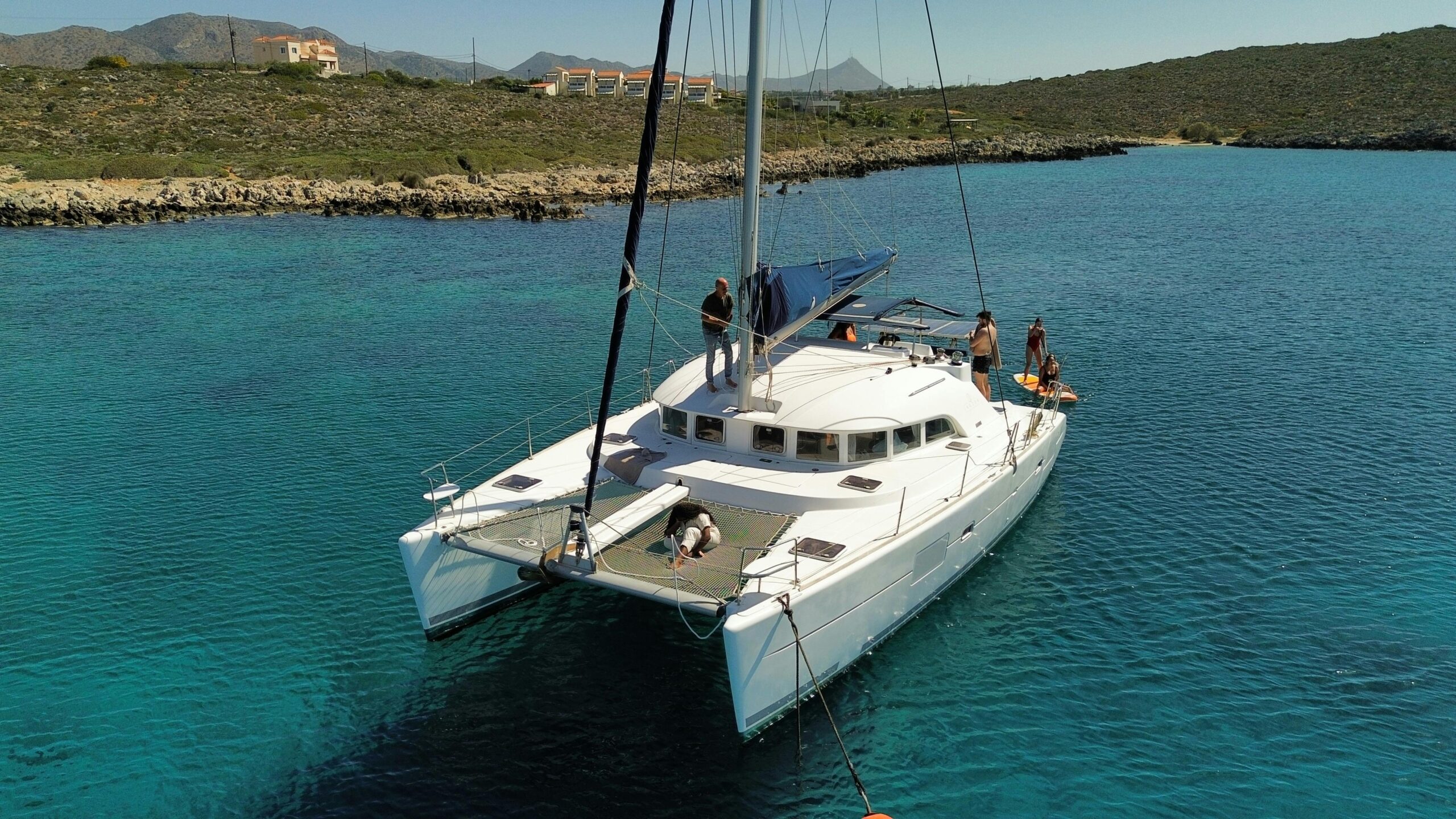
If you’ve ever been on a rocking sailboat or a rough ferry crossing, you might be nervous about seasickness. Catamarans are a completely different experience. Two hulls create a wide, stable platform with minimal rocking. Most guests who expected to struggle are pleasantly surprised. That said, bring Bonine or Dramamine just in case — better to have it and not need it.
8. The Itinerary Is More Flexible Than You Think
Your captain will suggest a route based on your interests, the weather, and their local knowledge — but it’s your vacation. Want to spend an extra day at that perfect anchorage? Done. Curious about a restaurant your captain knows? Add it. The itinerary is a starting point, not a schedule. Most guests find a collaborative approach works beautifully: let the captain lead, then customize freely.
9. The Crew Has Their Own Space — Privacy Isn’t an Issue
One of the most common concerns first-timers raise is whether having a crew onboard feels intrusive. It doesn’t. Your captain and chef have their own separate quarters and are experienced professionals who know exactly how to be helpful without hovering. Within a day or two it feels completely natural — they’re there when you need them and invisible when you don’t.
10. Use a Broker — It Costs You Nothing Extra
A good charter broker is one of the most valuable resources you can have as a first-timer. They know the boats, the destinations, the operators, and the contracts. They’ll match you with the right boat for your group, walk you through every line item, and be in your corner if anything goes wrong. And here’s the part most people don’t realize: using a broker costs you nothing. They earn a commission from the charter company — your price is the same whether you go through a broker or not.
Ready to start planning your first crewed catamaran charter? CatamaranMatch connects you with a vetted broker who specializes in exactly the kind of trip you’re looking for — at no cost to you.
Submit your inquiry at CatamaranMatch.com and we’ll handle the rest.